The death toll from floods and landslides in Asia rose above 1,000 on Monday as Sri Lanka and Indonesia sent military aid to survivors.
Last week, several weather systems dumped severe rain on Sri Lanka, Sumatra, southern Thailand, and northern Malaysia.
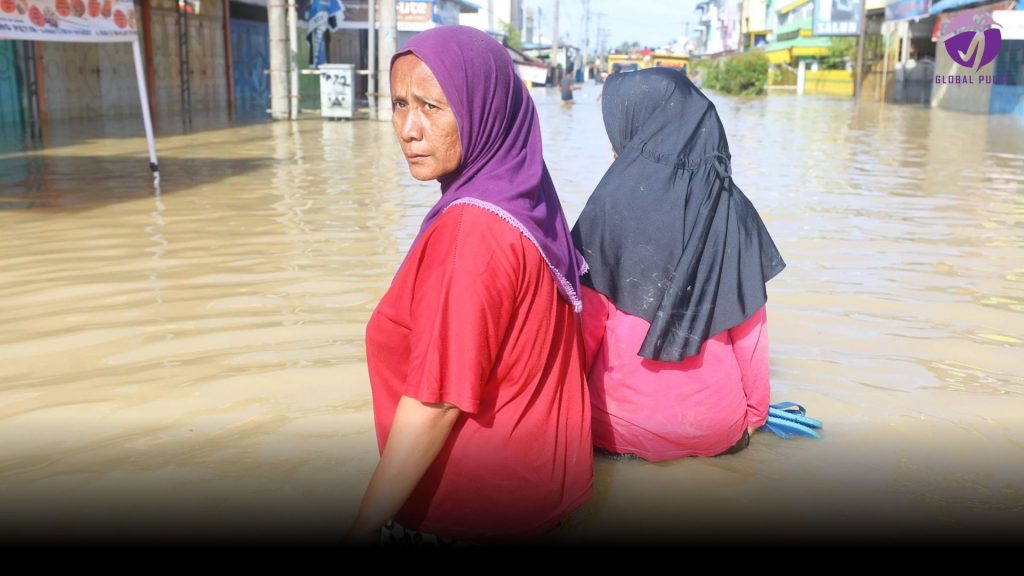
The persistent rains left inhabitants clinging to roofs for boat or helicopter rescue, and shut down entire settlements.
On Monday, the Indonesian President Prabowo Subianto visited North Sumatra and declared, “The worst has passed, hopefully”.
He said the government’s “priority now is how to send the necessary aid” to many cut-off districts immediately.
Flooding and landslides have killed at least 502 people and left more than 500 missing, putting pressure on Prabowo to declare a national emergency.
He has not officially requested foreign aid like his Sri Lankan counterpart.
The death toll is Indonesia’s highest since a 2018 Sulawesi earthquake and tsunami killed over 2,000.
The government has dispatched three relief vessels and two medical ships to the worst-hit regions, where many roads are inaccessible.
Misbahul Munir, 28, recalled trekking through neck-high water to reach his parents at an evacuation centre in North Aceh.
“Everything in the house was destroyed because it was submerged,” he said.
“I have only the clothes I am wearing,” he cried.
Sri Lanka requests help.
While Cyclone Ditwah caused floods and landslides in Sri Lanka, the government requested international help and utilised military aircraft to rescue victims.
On Monday, the Sri Lankan government reported 340 deaths and many more missing.
Floodwaters in Colombo peaked overnight, but when the rain halted, the floods were expected to recede.
Some stores and offices reopened.
With rescue workers clearing roads blocked by fallen trees and mudslides, officials warned that the worst-affected central region’s devastation was only being exposed.
Hasitha Wijewardena said he was attempting to clean up after the floods in Ma Oya, north of the city.
“The water has gone down, but the house is now full of mud,” he told local media, requesting military cleanup.
President Anura Kumara Dissanayake, who imposed a state of emergency, promised to rebuild.
“We are facing the largest and most challenging natural disaster in our history,” he told the country.
“Certainly, we will build a better nation than what existed before.”
The casualties and destruction in Sri Lanka are the biggest since the 2004 Asian tsunami, which killed 31,000 and displaced over a million.
Thai anger
By Sunday afternoon, rain had stopped in Sri Lanka, but low-lying districts of the city were inundated, and officials were preparing a significant relief effort.
One military chopper crashed north of Colombo on Sunday evening while transporting trapped civilians and delivering supplies.
Landslides and flash floods are common throughout Asia during the monsoon season.
However, a rare tropical cyclone that brought torrential rain to Sumatra aggravated flooding in Indonesia, Thailand, and Malaysia.
Climate change has intensified storms and increased heavy rainfall because a warmer atmosphere holds more moisture.
Monday’s floods in southern Thailand killed at least 176 people, one of the bloodiest in a decade.
The government has provided help, but the flood response has drawn widespread criticism, and two local officials have been suspended for their apparent shortcomings.
Over in Malaysia, severe rains flooded Perlis state, killing two people.